Where to find it
Texas inspectors use the Texas Real Estate Commission's standard inspection report form. The foundation is the first item under Structural Systems. It lists the type of foundation (slab or pier and beam), and for a pier-and-beam house, where the inspector looked at the crawl space from. Then comes the comments section, which is where the opinion lives.
What "performance" means
Texas rules require the inspector to give a written opinion on how the foundation is performing. Performance is judged against accepted practice, with the age of the house and normal wear in mind. An older house with a few hairline cracks can be performing fine. A newer house with doors that won't latch may not be.
The signs inspectors report
The opinion is based on what the inspector can see at the time. Common indications include:
- Doors that bind, won't latch, or are out of square
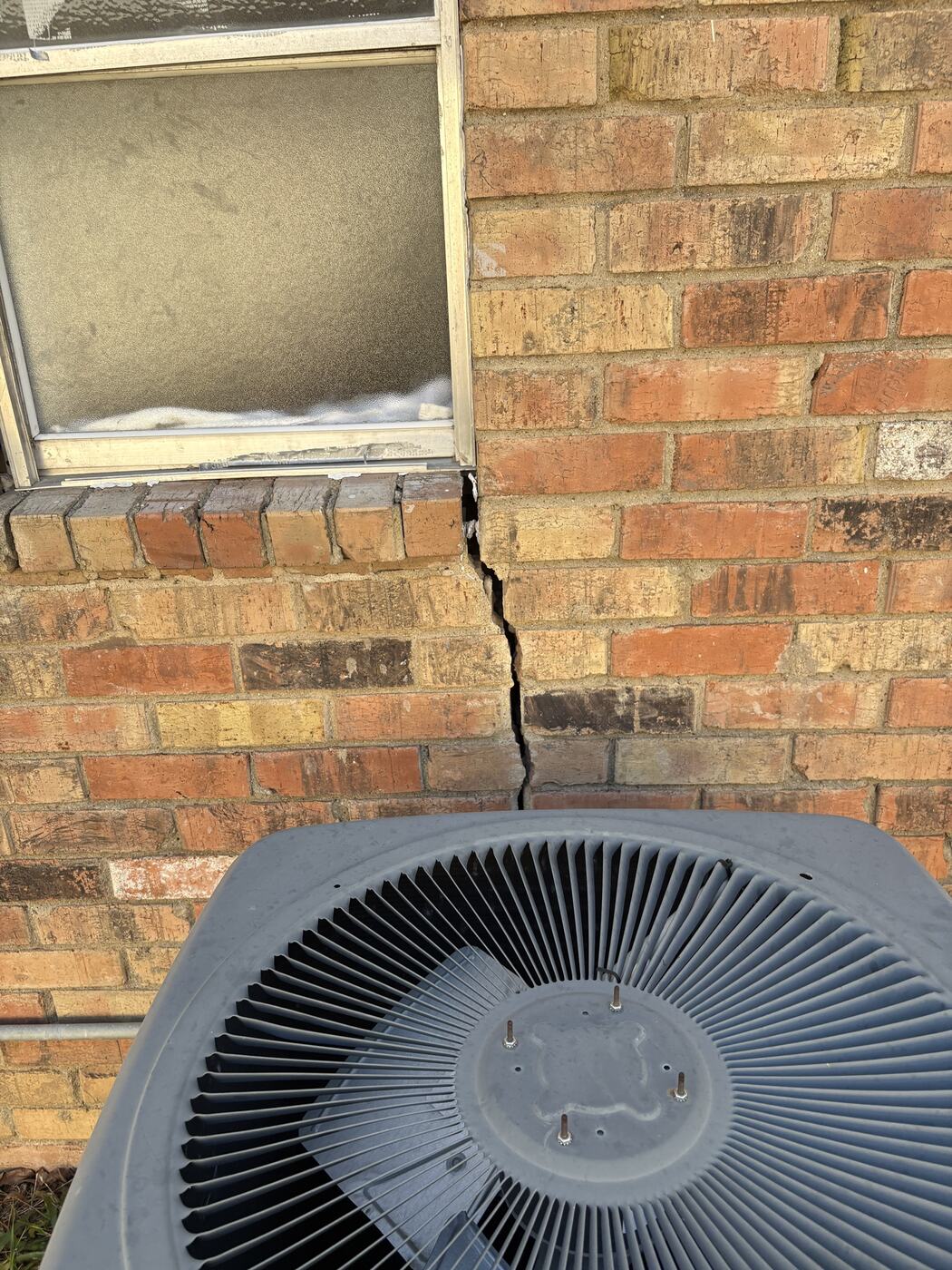
- Cracks in brick, especially stair-step patterns, and in drywall above doors and windows
- Floors that slope or feel uneven
- Gaps around windows and door frames
- Cracks in the slab, or in tile laid over it
- For pier and beam: failed or shifted piers, slipped shims, rotted framing, and moisture in the crawl space
Inspectors also tend to note things that affect the foundation without being part of it, like grading that slopes toward the house or downspouts that empty against the slab.
What the report won't tell you
Under the Texas standards of practice, the inspector isn't required to determine the cause of a problem or recommend a specific repair. And unless the inspector is also a licensed professional engineer, they aren't allowed to give an engineering opinion on the foundation. That's why you'll often see "recommend further evaluation by a structural engineer or foundation repair specialist." It isn't a hedge. It's the limit of what the inspection is for.
What to do next
- Foundation company inspection. A repair company will check the house, find the low areas and give a written bid. This is the fastest way to get a scope and price.
- Structural engineer. An engineer gives an independent opinion on what's wrong and what the repair should be. Many buyers and lenders like having one, and some repairs and city permits call for an engineer's plan.
- Both. On a home purchase, an engineer's report plus a repair bid gives the clearest picture.
You can read the Texas Real Estate Commission's standards of practice for inspectors online.
If you need a written bid, our crew will inspect at no charge and send photos and a written scope. Start on our foundation repair page, or see what agents should know before closing.